I’ve written in the past about the general state of miles & points, and about how it’s the best of times, and the worst of times. Big picture, things are better than ever before when it comes to all the ways we can earn points, while they’re worse than ever before when it comes to the ability to efficiently redeem them.
All the time we see airlines devalue their award pricing, limit who can redeem for awards, etc. It’s super frustrating, of course, especially for those of us who still remember “the good old days.” The most recent thing we’ve seen is that Flying Blue has devalued award pricing, which is of course bad news.
I’m frustrated when I see negative program changes, but I’d also like to take a bigger picture look at what goes into these decisions. This is just a general reflection of what I’ve witnessed over the past couple of decades, based on endless conversations with program executives.
We All Want Great Value Redemptions Using Points
To state the obvious, we all love when loyalty programs offer lots of premium cabin award seats at reasonable costs, both in terms of the number of points required and the surcharges. As someone who constantly looks at award availability and is obsessed with getting good deals on redemptions, the changes over time have been really, really rough.
There are three things that complicate this even further:
- Travel loyalty programs have gone really mainstream, so demand is higher than it has ever been before; an increasing number of people are chasing a decreasing number of good value award seats
- We’ve seen increased automation with searching for award availability, so it’s no longer the person who studies the most who gets the best deal, but instead it’s largely the person who sets the most award alerts
- Loyalty programs have evolved from cost centers to absolutely massive profit centers, so the way they’ve been monetized has completely changed
The Internal Politics & Math on Points Redemptions
Understandably, most of us don’t get a clear picture of the internal workings of airlines. Every airline is different in terms of its structure, who various executives report to, and how closely loyalty and revenue management work together.
At many airlines, the loyalty and revenue management departments constantly go back and forth when it comes to mileage redemptions. Releasing award seats isn’t as easy as someone in revenue management saying “those seats will probably go out empty, let’s just make them available.” The loyalty program has to “pay” revenue management for each award seat. This is primarily an internal accounting exercise, and the calculations differ greatly depending on the airline. The two departments are typically at odds with one another because they have different metrics for success:
- Revenue management wants to show as much revenue for each flight as possible — it’s all about the bottom line
- The loyalty program wants to offer value for members, show program growth, and maintain good margins
Nowadays we see dynamic award pricing at many airlines, so if there’s no saver award availability, members can spend a lot of points but still get seats. In those cases, the loyalty program is often “paying” close to the going cost for a seat.
It’s common for loyalty programs to essentially take a “loss” on many kinds of award redemptions, especially for those that are a really good value.
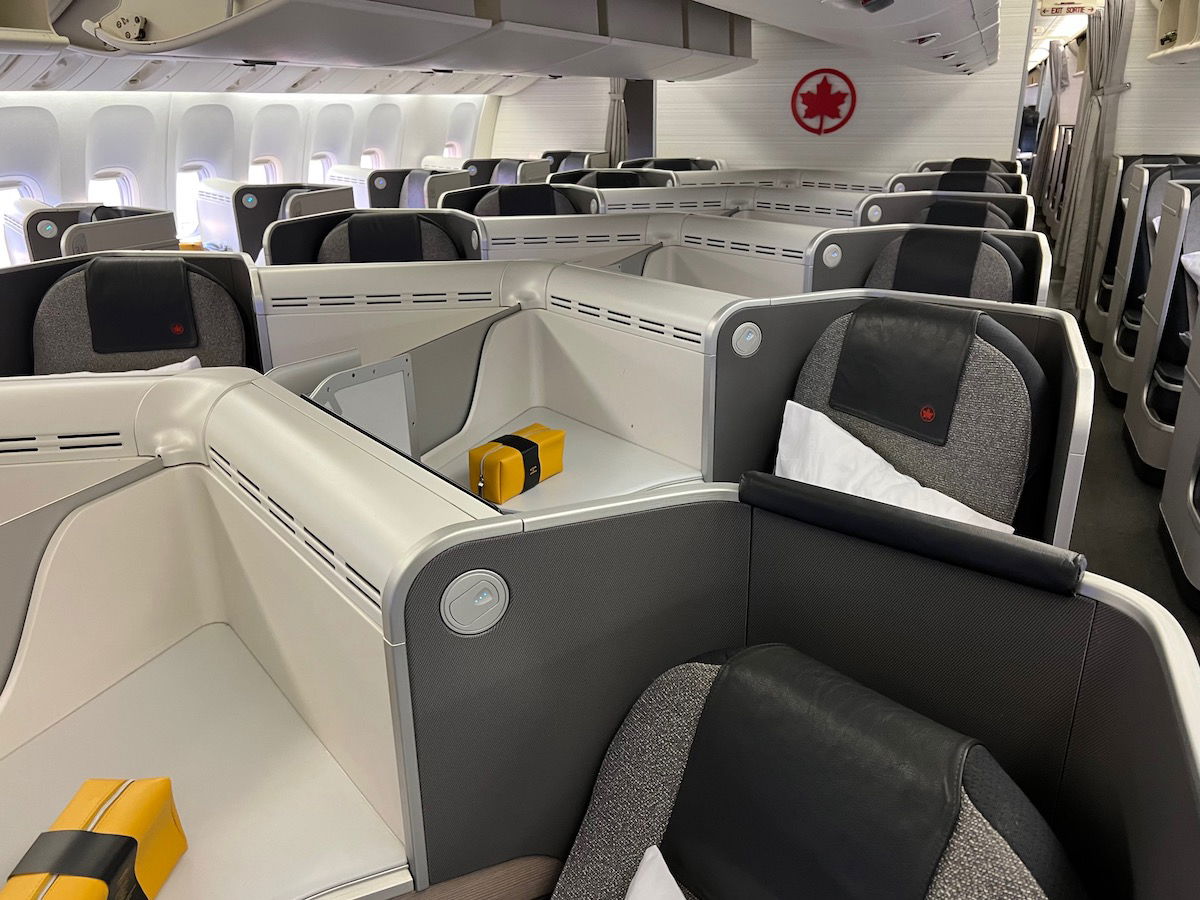
This is one of the reasons that we’ve historically seen so many frequent flyer programs focus heavily on getting members to book partner award space, where the reimbursement rates are often much lower. Take Aeroplan, for example — it’s an amazing program for partner airline award pricing (assuming you can find availability), while redemption rates for premium cabin Air Canada flights are typically pretty brutal.
What Should Loyalty Programs Actually Prioritize?
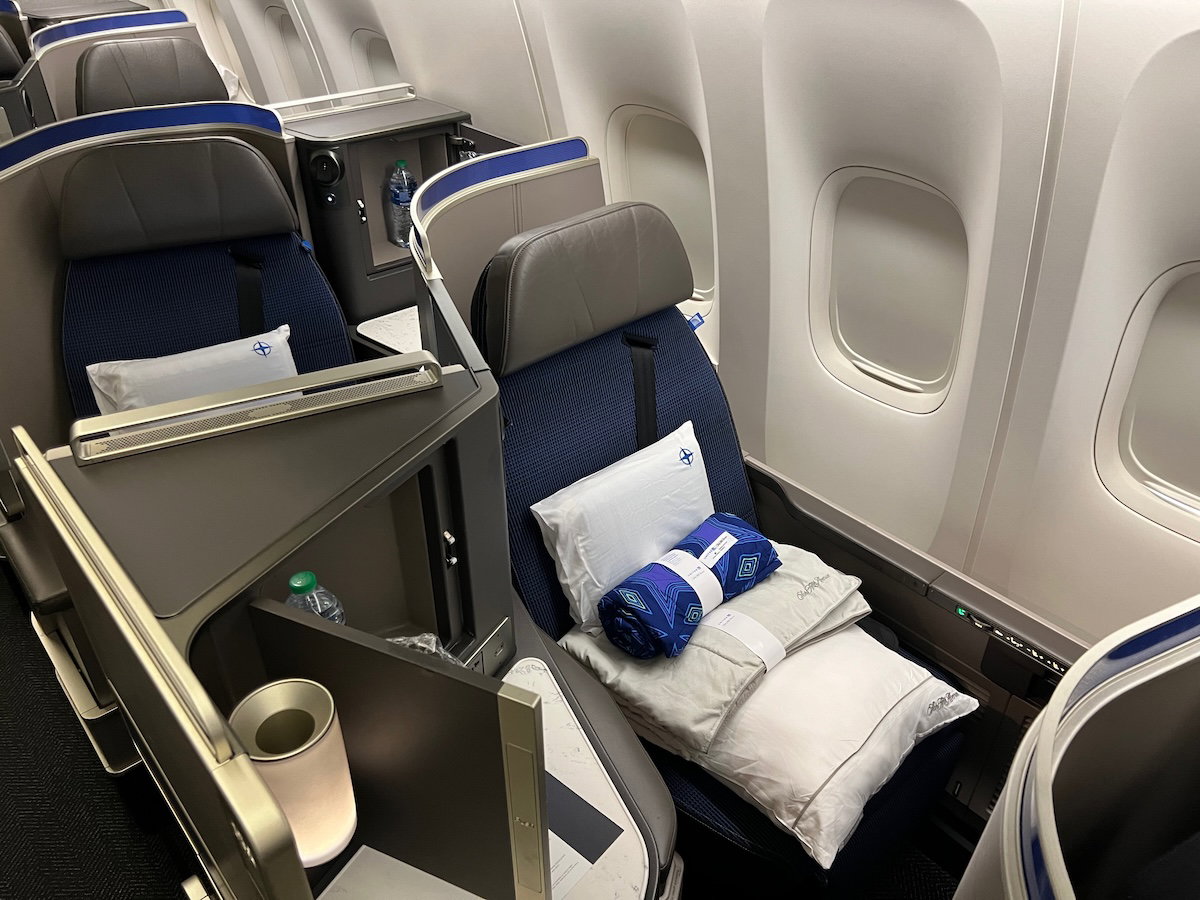
In recent times, we’ve seen major structural changes to how airlines release award space. Just look at United MileagePlus, for example. In the past, United would release a ton of business class award space to partner frequent flyer programs. Now it’s available almost exclusively to MileagePlus members. Not only that, but those with a co-branded credit card and/or elite status get better pricing and availability.
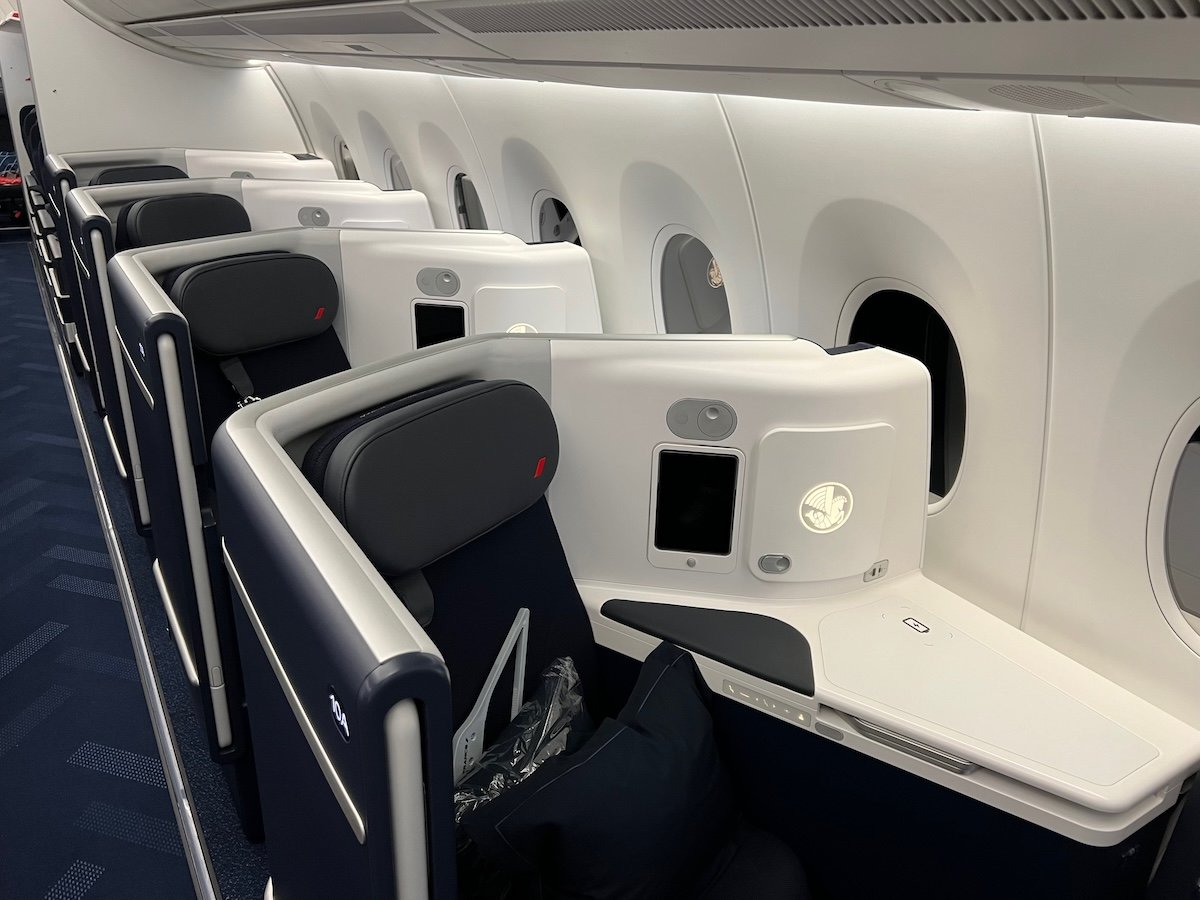
It’s largely the same story with the Air France-KLM Flying Blue devaluation. The previous lowest award fares are becoming “Light” fares with fewer inclusions, but elite perks still apply. So as a Flying Blue Platinum member, not a whole lot changes — and Flying Blue Platinum members actually get extra award availability.
This reflects the broader trend we’re seeing: airlines are going back to rewarding actual loyalty, rather than treating everyone who earned a mile in one way or another equally.
From a self-interested perspective across the industry, this change makes it much harder to redeem miles for tickets involving travel on multiple airlines. Booking complex Aeroplan tickets involving travel on half a dozen airlines just isn’t possible in the way it used to be.
But the underlying logic isn’t hard to follow. If an airline has one saver level award seat available, should the program make it available to everyone at the same cost? Or should it prioritize rewarding a loyal customer over someone who simply transferred points from a credit card program? It’s easier to justify giving someone an award seat at a loss if you can point to a co-branded credit card application or elite status earned through actual flying.
Bottom Line
Frequent flyer program devaluations are bad news. There’s an ever-increasing number of miles chasing an ever-decreasing number of saver level premium cabin award seats, and airlines are struggling to figure out how to handle that.
In an ideal world, we’d all get unlimited saver level award seats at good pricing with our credit card points. But the economics of that simply don’t work out. That’s why airlines are increasingly restricting the best deals to members with elite status, a co-branded credit card, or both.
What many people also don’t realize is how complicated the internal dynamics of award availability actually are. It’s not as simple as a loyalty program deciding to open up seats that “don’t cost anything.” The loyalty program pays another department for those seats and takes a loss on many of them — and in large corporations, executives have to justify those results to their bosses.
I wish we had a ton of saver level award availability, and I’ll continue to hate every devaluation that comes along. But understanding the “why” behind these changes is more useful than pure outrage. The deals are still out there — they just take more effort to find, and that’s unlikely to change anytime soon.