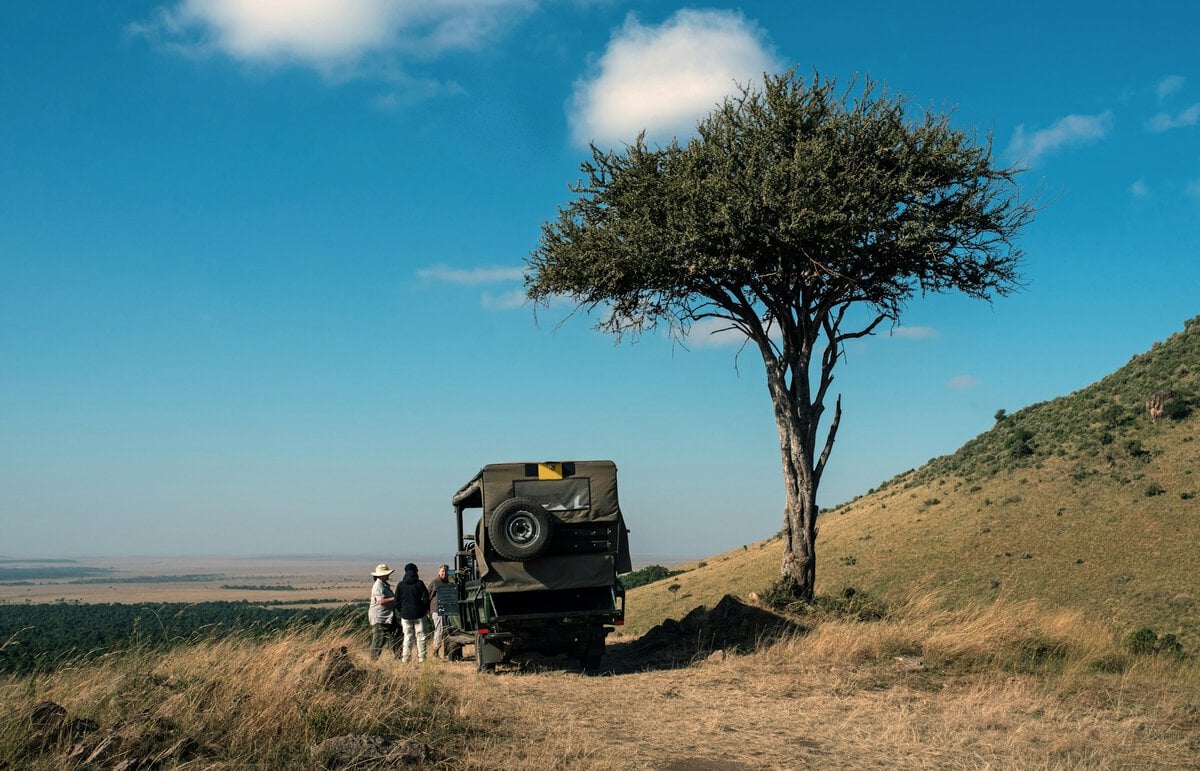
A safari in East Africa is one of the best-known travel experiences there is. From the Serengeti and Masai Mara to Uganda’s national parks and the beaches of Zanzibar, the region offers a genuinely different scale of wildlife and landscape, plus cultural depth many itineraries never reach.
But safari travel is different from a typical city break. You may be spending time in rural areas, moving between lodges, taking long road transfers, and visiting regions where certain travel-related health risks are more common. That does not mean you should be worried. It simply means that good preparation matters.
Before traveling to Kenya, Tanzania, Uganda, Zanzibar, or nearby safari destinations, it is worth planning your health needs as carefully as your itinerary.
Book a Travel Health Consultation Early
The best time to start preparing for a safari is several weeks before departure. Some vaccines need time to become effective, and malaria prevention medication may need to be started before you arrive.
A travel medicine doctor or travel clinic can give advice based on your exact itinerary, your health history, the season, and the type of trip you are taking. A short city stay in Nairobi is not the same as a remote safari lodge, and a beach extension in Zanzibar may call for different precautions than gorilla trekking in Uganda.
Bring your itinerary to the appointment, including:
- Countries you will visit
- Safari parks or rural areas on your route
- Dates of travel
- Planned activities
- Accommodation type
- Any stopovers or border crossings
- Your vaccination history
- Current medications and medical conditions
This helps the clinician give more relevant advice.
Check Routine and Travel Vaccines
Before any international trip, routine vaccinations are worth confirming are current. These may include measles, mumps and rubella, tetanus, diphtheria, pertussis, polio, influenza, and others depending on age and home country recommendations.
For East Africa, a doctor may also discuss travel vaccines such as hepatitis A, typhoid, hepatitis B, rabies, meningitis, cholera, or yellow fever, depending on itinerary and risk profile.
Yellow fever rules can be especially important because requirements may depend on where a traveler is coming from, where they are connecting, and which countries they visit before or during the trip. Official entry requirements are worth checking before departure, particularly when crossing borders.
Timing matters here: some vaccines require more than one dose spaced weeks apart, and others may only be available at an approved clinic.
Understand Malaria Risk Before You Go
Malaria is one of the most important health considerations for many safari destinations in East Africa. Risk varies by country, region, altitude, season, and itinerary, so general advice alone is not enough.
A doctor may recommend malaria prevention tablets for some destinations. The right option depends on where you are going, your medical history, other medications you take, possible side effects, pregnancy status, and how long you will be away.
Following the prescribed schedule closely matters if malaria medication is recommended. Some medicines need to be started before arrival and continued after leaving the malaria-risk area.
Medication is only one part of prevention. Avoiding mosquito bites matters just as much.
Pack for Mosquito Protection
Mosquito-borne illnesses are a key concern in many tropical destinations. For safari travel, pack mosquito protection and use it consistently, especially around dawn, dusk, and evening.

Useful items may include:
- Insect repellent
- Long-sleeved shirts
- Long trousers
- Light clothing that covers skin
- Socks and closed shoes in the evening
- Permethrin-treated clothing, if appropriate
- A mosquito net, if your accommodation does not provide one
Many safari lodges are well prepared, but it is still smart to bring your own essentials.
Prepare a Safari Travel Health Kit
Safari itineraries often include remote areas where pharmacies or clinics may not be nearby. A small health kit can help you manage minor issues and avoid disrupting your trip.
Consider packing:
- Regular prescription medications
- Copies of prescriptions
- Pain relief
- Antihistamines
- Motion sickness medication
- Oral rehydration salts
- Anti-diarrheal medication, if advised by your doctor
- Plasters and blister care
- Antiseptic wipes
- Sunscreen
- After-sun care
- Insect repellent
- Hand sanitizer
- Any personal medical supplies
If you have allergies, asthma, diabetes, heart conditions, or other chronic health needs, speak to your doctor before traveling and carry a written medical summary.
Be Careful With Food and Water
Stomach issues are common among travelers, and safari trips often involve long drives between remote locations where access to clean food and water can be inconsistent. Stick to bottled or properly treated water, avoid ice in drinks unless you are confident of its source, and be cautious with raw or undercooked food from unfamiliar vendors. Most reputable safari lodges maintain high food hygiene standards, but applying basic precautions throughout your trip will help keep stomach problems from cutting your adventure short.